Ongoing

Reproductive ethics

Neuroadaptive technologies

Exploring the ethical, legal and social implications of emerging and speculative ectogestation, and how these may affect existing definitions of parenthood in the UK and internationally.
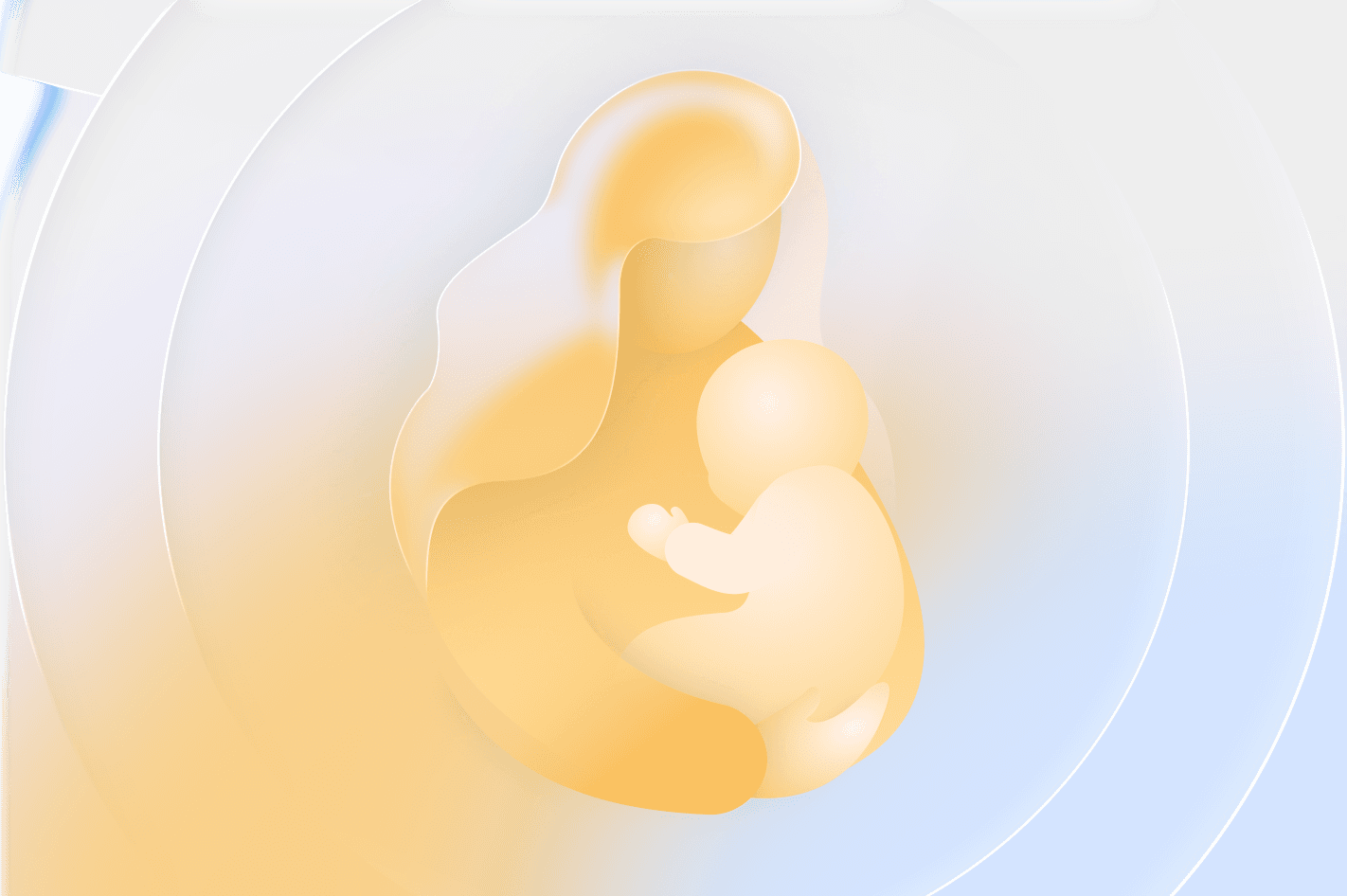

Illustration of a parent gently cradling a newborn baby within a softly contoured, abstract form, using warm yellow and cool blue gradients to convey care, protection, and themes of reproductive health and technology.
Ilona Cenolli

Principal Investigator

Ilona Cenolli

Allison Milbrath

Research Manager

Allison Milbrath

Background

Ectogestation refers to the speculative use of emerging reproductive technologies enabling gestation - partial or full – to take place outside the human body. While specific terminology is not settled, they are sometimes referred to as artificial womb or artifical amnion and placenta technology. Although still in early development and largely speculative, ectogestation could represent a significant shift in how human reproduction occurs.

Current UK parenthood law is structured around the assumption that pregnancy occurs within a human body. The Human Fertilisation and Embryology Act 2008 utilises the legal principle 'mater semper certa est' (‘the mother is always certain’) and establishes legal motherhood through gestation and at childbirth.

Birth registration systems, as well as key legal mechanisms governing assisted reproduction and surrogacy, are built around this premise. However, it is one that does not readily accommodate scenarios in which gestation and parenting might be separated, nor or where gestation could occur outside the human body.

If realised in practice, ectogestation could challenge the foundations of current legal, ethical and social frameworks in the UK – particularly those governing the attribution of legal parenthood. 

Research approach

Through rigorous qualitative research, the project aims to provide inclusive, decision-relevant ethical analysis and interdisciplinary insights to support informed discussion and decision-making among UK regulators, policymakers, law reform bodies, and ethics organisations.

The following project activities have been completed, combining legal analysis, empirical research, and deliberative engagement: 

Next steps will include a thematic report on interview findings, which we expect to publish in early 2027.

Drawing on diverse and informed perspectives

To help inform this project, we conducted semi-structured interviews with people with learned and lived experience relevant to the themes of this research study. We were particularly interested in hearing from those with personal experience of assisted reproduction or alternative routes to family formation, and/or related professional expertise in law, policy, healthcare, social work, or bioethics.  

This included:

  • professionals working in assisted reproductive technologies (ART), law, medicine, sociology, bioethics, or related fields;

  • individuals who have experienced infertility, fertility treatment, adoption, or surrogacy;

  • people born through assisted reproduction, such as donor conception;

  • individuals who have considered or explored assisted reproductive technologies, and/or

  • members of LGBTQ+ communities whose family formation pathways may intersect with these technologies

Interviews were held on a rolling basis between March and September 2026 and have now concluded.

We would like to thank everyone who participated for their insightful contributions to this work, which will help inform the project’s analysis of the ethical, legal and social implications of emerging reproductive technologies.

Building ethical frameworks together, across contexts

Center for Bioethics and Health Policy Ltd
Registered in England and Wales
Company No. 16576206
Registered office: One Canada Square,
London E14 5AA, United Kingdom

© Copyrights belong to Center For Bioethics & Health Policy

We use cookies and similar technologies to ensure the proper functioning of our website and to improve your browsing experience. Strictly necessary cookies are always active, as they are essential for the operation and security of the site. With your consent, we may also use: 1. Analytics cookies to measure audience statistics and improve website performance. 2. Marketing cookies to deliver relevant content and measure the effectiveness of our communications. You can choose to accept or reject non-essential cookies at any time. Your preferences can also be updated later via our Cookie Settings. For more detailed information about the cookies we use, how we process your personal data, and your rights under applicable UK data protection laws, please refer to our Privacy Policy.

Building ethical frameworks together, across contexts

Your email address will be used solely for the purpose of sending you our newsletter. It will not be shared with third parties for marketing purposes or used for any unrelated communications. Each newsletter you receive will include a clear and easy-to-use unsubscribe link, allowing you to opt out at any time. For further information about how we collect, use, store, and protect your personal data, as well as details of your rights under applicable UK data protection laws, please refer to our Privacy Policy.

Center for Bioethics and Health Policy Ltd
Registered in England and Wales
Company No. 16576206
Registered office: One Canada Square,
London E14 5AA, United Kingdom

© Copyrights belong to Center For Bioethics & Health Policy

We use cookies and similar technologies to ensure the proper functioning of our website and to improve your browsing experience. Strictly necessary cookies are always active, as they are essential for the operation and security of the site. With your consent, we may also use: 1. Analytics cookies to measure audience statistics and improve website performance. 2. Marketing cookies to deliver relevant content and measure the effectiveness of our communications. You can choose to accept or reject non-essential cookies at any time. Your preferences can also be updated later via our Cookie Settings. For more detailed information about the cookies we use, how we process your personal data, and your rights under applicable UK data protection laws, please refer to our Privacy Policy.

Building ethical frameworks together, across contexts

Center for Bioethics and Health Policy Ltd Registered in England and Wales
Company No. 16576206 Registered office: One Canada Square,
London E14 5AA, United Kingdom

© Copyrights belong to Center For Bioethics & Health Policy

We use cookies and similar technologies to ensure the proper functioning of our website and to improve your browsing experience. Strictly necessary cookies are always active, as they are essential for the operation and security of the site. With your consent, we may also use: 1. Analytics cookies to measure audience statistics and improve website performance. 2. Marketing cookies to deliver relevant content and measure the effectiveness of our communications. You can choose to accept or reject non-essential cookies at any time. Your preferences can also be updated later via our Cookie Settings. For more detailed information about the cookies we use, how we process your personal data, and your rights under applicable UK data protection laws, please refer to our Privacy Policy.